8:00 - 20:00
Mon - Sun
This is
Scientific Expeditions for Marine Research and Environmental Conservation
Sea Colors conducts scientific expeditions dedicated to marine research, systematic observation, and the promotion of environmental awareness, with a strong focus on the protection and conservation of oceanic life. Our missions are designed to advance scientific knowledge while fostering a deeper understanding of marine ecosystems and the urgent need to preserve them for future generations.
Operating according to the highest professional and ethical standards, Sea Colors is committed to rigorous scientific practice and responsible interaction with wildlife. Our research expeditions take place primarily in the Azores, a unique mid-Atlantic biodiversity hotspot of global ecological significance. This remarkable marine region represents a natural heritage that must be studied, respected, and actively protected.
Research, Observation, and Conservation Action
Careful observation and scientific research are fundamental to effective conservation. By attentively interpreting behavioral and ecological signals displayed by marine animals, we gain essential insights into their life patterns, population dynamics, and the growing threats they face—such as pollution, climate change, and habitat degradation. This knowledge forms the scientific basis for informed conservation strategies and meaningful protective action.
Participants in our expeditions play a direct role in this process. By joining our missions, you are not only witnessing marine research firsthand but also actively supporting and funding ongoing scientific work. Your participation contributes directly to data collection, long-term monitoring efforts, and the development of conservation-oriented solutions.
Environmental Awareness and Education
The ocean is home to an extraordinary diversity of complex and fascinating life forms. In recognition of this richness, Sea Colors places strong emphasis on education and environmental engagement. Our expeditions are highly informative, combining field research with knowledge transfer and public awareness initiatives.
During our missions, we actively remove marine litter encountered at sea and organize coastal and offshore cleanup operations. In addition, we conduct educational activities focused on environmental protection, sustainability, and responsible ocean stewardship. Complementary lectures and presentations provide participants with deeper scientific insight into our research objectives, marine ecology, and the species inhabiting these waters.
A Shared Responsibility
Protecting marine ecosystems is not optional—it is a global responsibility. Through scientific research, education, and direct conservation action, Sea Colors seeks to inspire a collective commitment to safeguarding the ocean. By advancing knowledge and fostering awareness, we aim to ensure that marine life and the ecosystems it depends on can thrive in a rapidly changing world.
Information
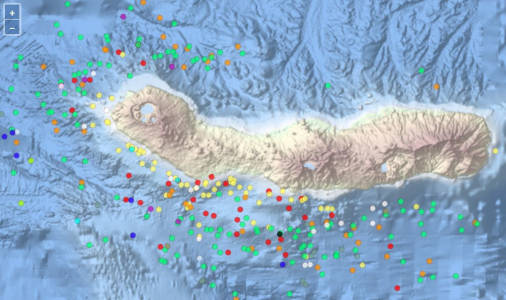
During our expeditions, Sea Colors systematically collects scientific data on marine mammals, with a particular focus on whales and dolphins. Each encounter is carefully documented, including precise information on species identification, geographic location, time of observation, and group composition. In addition, behavioral patterns are recorded and classified, and prevailing environmental conditions—such as sea state, weather, and habitat characteristics—are consistently documented.
The systematic collection of these data is essential to building a reliable scientific foundation for marine conservation. Long-term and standardized monitoring enables researchers to detect spatial and temporal distribution patterns, behavioral trends, and potential changes in habitat use. Such information is critical for identifying key habitats, migration routes, and breeding or feeding areas that require special protection.
From Data to Knowledge and Protection
Once collected, the data are carefully assessed and analyzed to identify emerging patterns, validate or support scientific hypotheses, and reveal trends over time. This analytical process allows us to evaluate the impacts of natural and anthropogenic pressures, including climate change, marine traffic, noise pollution, and habitat degradation.
By generating robust, evidence-based knowledge, our research contributes directly to the development of effective conservation strategies and informed management decisions. Reliable data on whales and dolphins are indispensable for defining protective measures, establishing conservation priorities, and supporting policy recommendations at both regional and international levels.
In this way, scientific data collection is not an end in itself but a vital tool for safeguarding marine mammals. Through rigorous research and continuous monitoring, Sea Colors aims to strengthen the scientific basis needed to ensure the long-term protection and survival of these highly intelligent and ecologically significant species.
The other world